Area Rug Care That Keeps Rugs Looking Good Year After Year
A few small habits do more for an area rug than any single product, and most of them cost nothing.
October 26, 2026 · 4 min read
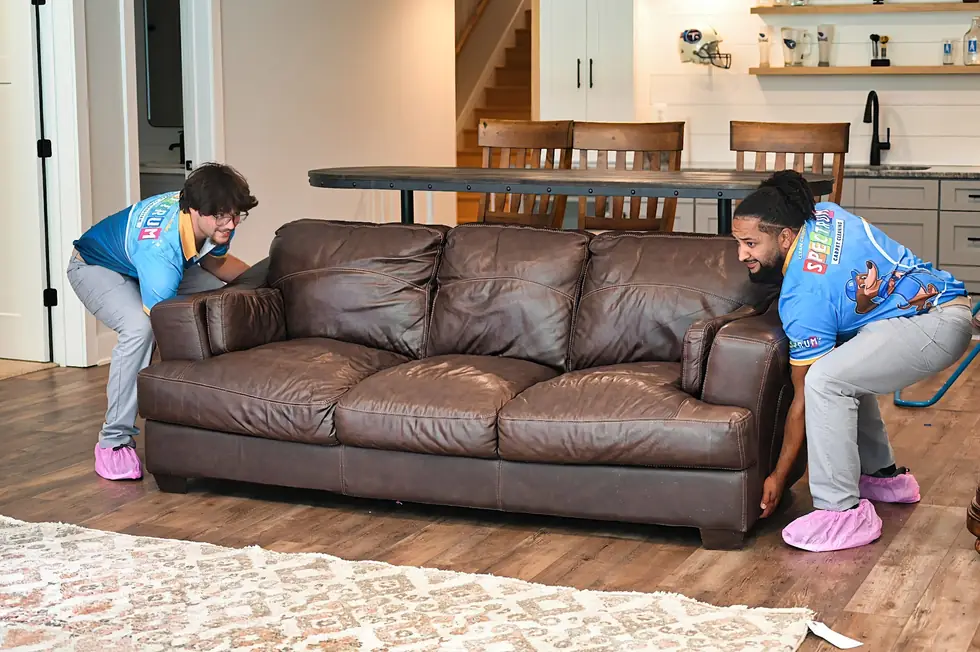
Area rugs do a lot of quiet work in a Frederick County home. They soften a hardwood hallway, mark off a dining room and take the first hit from muddy boots at the back door. Because a rug sits on top of the floor instead of being part of it, it is also easy to ignore until a spill happens or the colors start to look tired. A little routine care makes a real difference to how long a rug lasts and how it looks along the way.
Start with what is under the rug
A rug pad is the cheapest upgrade most households skip. A good pad keeps the rug from creeping across the floor, which cuts down the tugging and folding that wear out edges and backing. It also adds a layer of cushion, so footsteps crush the pile less. Choose a pad about an inch smaller than the rug on every side so the edges lie flat and nothing peeks out. On a finished hardwood floor, check that the pad is made for that surface. Some rubbery pads can react with certain finishes and leave a mark, and that is much harder to fix than picking a different pad in the first place.
If the rug sits on wall-to-wall carpet, the pad matters even more. Two layers of pile slide against each other, and the top rug slowly wanders and bunches. A thin, grippy pad made for rug-on-carpet use holds it where you put it.
Rotate, vacuum and watch the sun
Light and traffic wear a rug unevenly. The side facing a window fades faster, and the path from the front door to the kitchen flattens first. Turn the rug end for end every few months so the wear and the sunlight get shared around. Sunlight fades unevenly, so a rug that gets turned on a schedule ages more gracefully.
Vacuum with the beater bar switched off or raised to its highest setting, and keep the machine off the fringe. On most rugs the fringe is the foundation itself, the warp threads that hold everything together, and a spinning brush can pull and snap them. Go with the direction of the pile. Every so often flip the rug over and vacuum the back, because grit works its way down through the weave and sits there cutting at the fibres each time someone steps on the front.
Spills: blot, do not scrub
When something spills, speed and technique matter more than any product. Lift off solids with a spoon, then press a clean white cloth onto the spill and let it soak up the liquid. Work from the outside edge toward the middle so the stain does not spread. Rubbing feels productive, but it frays the pile and drives the spill down toward the backing.
For a damp spot, a little cool water on a cloth is usually the safest first move. Before trying anything stronger, test it on a hidden corner, such as the underside of the fringe or a patch that lives under a sofa leg. Press a white cloth against the spot for a few seconds and see whether any dye comes off. If it does, stop there. Color that moves on its own will run across the whole rug once you add more moisture. Hot water, homemade vinegar mixes and household bleach products are the usual ways a fixable stain becomes a permanent one.
Know what the rug is made of
Wool, cotton, nylon and polypropylene all behave differently. Wool is forgiving but holds moisture and takes a while to dry. Cotton flatweaves can shrink or bleed. Rugs sold as “art silk” or “viscose” are a separate category with their own rules, and many cannot handle water the way a wool rug can. If you are not sure what you own, check the tag on the back before you start treating it. Hand-knotted and antique rugs deserve extra caution, because the dyes, the age of the foundation and old repairs hidden in the weave are things only a close inspection reveals.
What a professional rug wash involves
A rug that goes out for cleaning is treated very differently from carpet cleaned in place. At Spectrum, area and oriental rugs go to the company's warehouse, where each one is tagged, invoiced, measured and photographed. A pre-inspection checks for problems such as pet urine or mold before any water touches the rug. Dry soil is then pulled out with compressed air, and the rug is washed by hand in a submersion bath. Rugs with heavy urine contamination get a separate decontamination bath. After a thorough rinse, the rug dries in a controlled-atmosphere room, then the fringe is hand-combed and the rug is rolled and wrapped in plastic. Spectrum handles pick-up and re-delivery, and customers are asked to roll the rug before pick-up.
Dry soil is the reason to wash before a rug looks dirty. By the time the color dulls, grit has been sawing at the fibres for months. Here is a routine that covers most households:
- Vacuum both sides every week or two in a busy room, less often in a spare room.
- Rotate the rug end for end every three to four months.
- Check the pad once a year and replace it when it goes flat or crumbly.
- Blot spills right away and test any cleaner on a hidden spot first.
- Book a professional wash when the rug feels gritty to the hand, not when it looks filthy.
If you have a rug that needs a real wash, Spectrum's area rug cleaning is done at their Frederick warehouse, and you can reach the team at (301) 662-8200.
Spectrum Carpet Cleaning & Restoration, (301) 662-8200
Call (301) 662-8200More articles
What Fabric Protection Does, and What It Does Not
A protector is a head start on a spill, not a force field, and knowing the difference saves a lot of frustration.
Why Viscose Rugs Look Great in the Store and Struggle at Home
That silky shine comes from a fibre that weakens when it gets wet, which matters in a house with real life in it.